Most workplace compliance gaps don't announce themselves. They sit quietly until a claim, an audit, or a departing employee's attorney finds them first.
Where the Gaps Actually Hide
An HR Evaluation isn't a formality. It's the process that catches the things routine operations miss:
- Job postings with outdated pay ranges or missing disclosures
- Classification decisions that haven't been revisited since a role's responsibilities changed
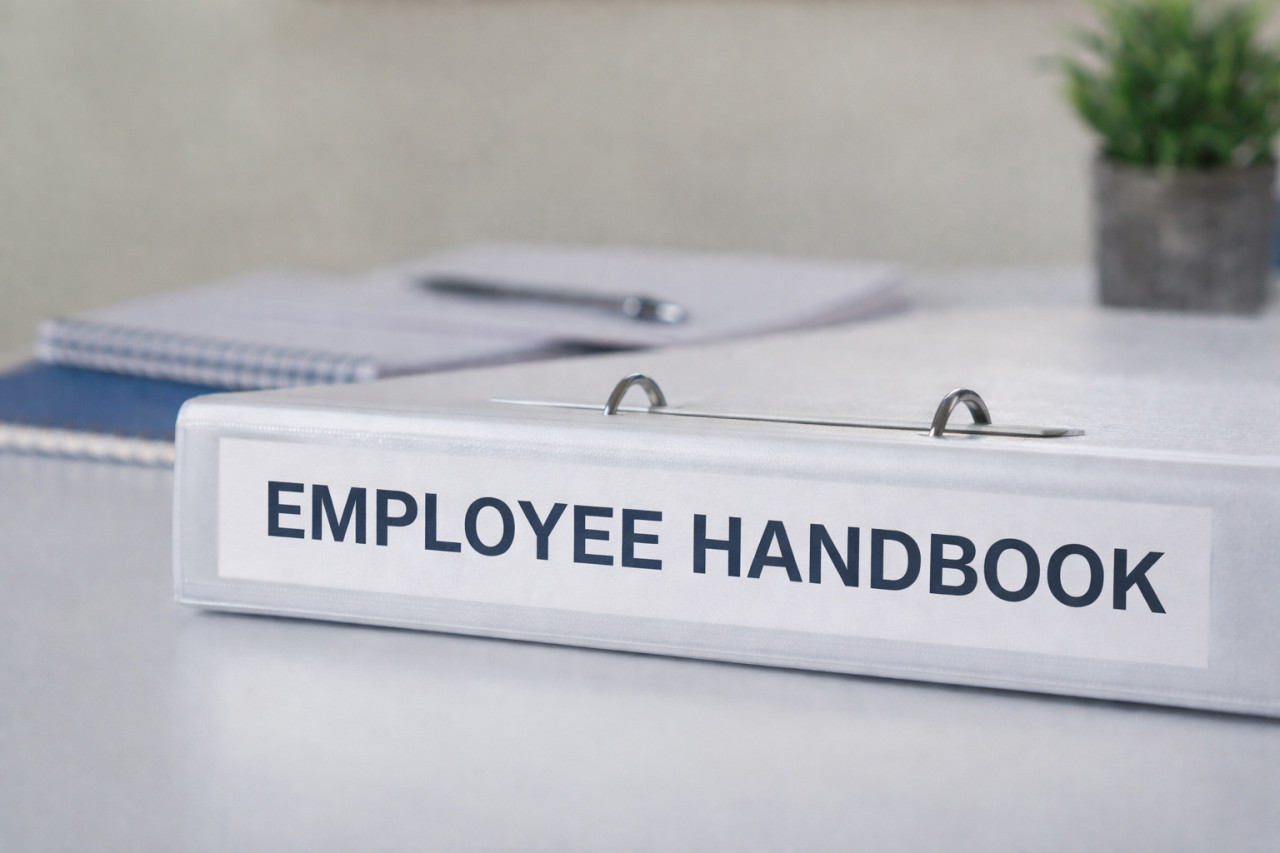
- Employee handbook language that hasn't kept pace with new state and local requirements
- Training records with gaps in state and local workplace compliance training requirements, which only surface when someone asks for proof of completion
- Documentation habits that vary by manager instead of following a consistent standard
None of these individually feels urgent in the moment. Together, they're exactly the pattern that turns a single employee complaint into a costly, drawn-out legal dispute.
"We Already Have This Covered"
Many organizations already have something: an internal HR generalist, an outside employment attorney, a PEO compliance dashboard, or an annual employee handbook refresh. Those are real safeguards, and they matter.
But they're usually built to catch different things than what creates exposure.